The Evolution of Rock Band Merchandise: From T-Shirts to Collectibles


The Humble Beginnings of Rock Band Merchandise
In the early days of rock music, band merchandise was a relatively simple affair. Fans could pick up a t-shirt or maybe a poster at concerts, serving as a tangible memory of the experience. These early items were often straightforward, featuring the band’s logo or album artwork. The focus was on practicality and affordability, making them accessible to a wide range of fans.
As rock music gained popularity, so did the demand for merchandise. Bands began to realize the potential of selling branded items, not just as souvenirs, but as a way to extend their brand beyond the music. This shift marked the beginning of a new era in fan engagement.

The Rise of Iconic Band T-Shirts
During the 1970s and 1980s, the band t-shirt became a staple of rock culture. These shirts were more than just clothing; they were a statement. Wearing a band t-shirt was a way for fans to express their musical tastes and align themselves with the ethos of their favorite bands. Iconic designs, like the Rolling Stones' lips or the Ramones' seal, became instantly recognizable symbols.
With advancements in printing technology, bands could produce more intricate and varied designs, appealing to a broader audience. T-shirts became collectibles in their own right, with some vintage shirts fetching high prices in today’s market.
Expanding the Merchandise Line
As the music industry evolved, so did the range of merchandise available to fans. No longer limited to t-shirts and posters, bands began to offer a wide array of products, including hats, jackets, and even home goods. This expansion allowed fans to incorporate their favorite bands into different aspects of their lives.
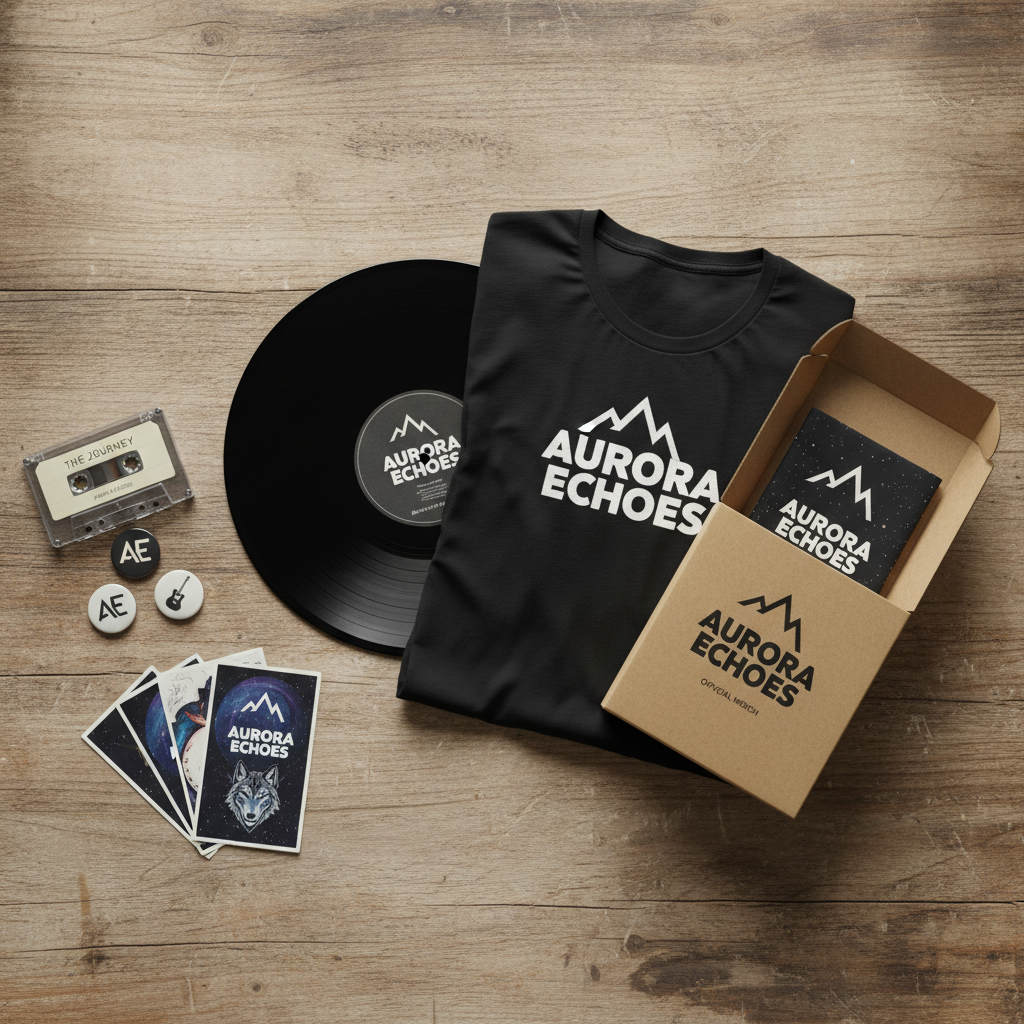
Additionally, collaborations with artists and designers led to limited edition items, adding an air of exclusivity and desirability. Fans were eager to get their hands on these unique pieces, often lining up for hours or paying premium prices.
The Era of Collectibles
In recent years, the world of rock band merchandise has seen a surge in collectibles. From action figures and vinyl records to signed memorabilia and custom instruments, the possibilities are endless. These items cater to the most dedicated fans, offering something truly special and personalized.
Limited edition releases and collaborations with other brands or artists have further fueled the collectible market. These items are not only cherished by fans but also sought after by collectors, creating a vibrant secondary market.

The Digital Influence
The digital age has transformed the way bands connect with fans and sell merchandise. Online stores and social media platforms provide bands with direct channels to their audience, enabling them to offer exclusive online-only items and engage with fans in real-time. This accessibility has expanded the reach of band merchandise, making it easier for fans across the globe to access their favorite items.
Moreover, digital platforms allow for the creation of virtual merchandise, such as digital art and NFTs. These innovative products represent the future of band merchandising, blending technology with traditional fan engagement.
Conclusion
The evolution of rock band merchandise from simple t-shirts to coveted collectibles reflects the dynamic nature of the music industry and fan culture. As bands continue to innovate and explore new frontiers, the world of merchandise will undoubtedly continue to evolve, offering fans new and exciting ways to celebrate their favorite music.